

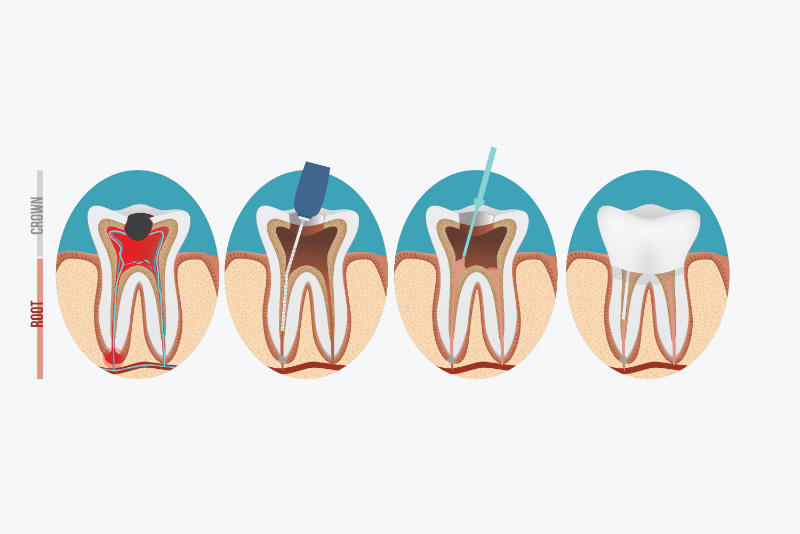
Root canal therapy and tooth extraction both serve to alleviate pain and prevent the spread of infection, but they take distinct paths to achieve these goals.
Root canal therapy is often the preferred choice when the tooth’s structure can be saved. During a root canal, the infected or damaged pulp inside the tooth is meticulously removed, and the interior is cleansed, disinfected, and sealed. This procedure aims to preserve the natural tooth, maintaining its functionality and appearance.
The advantages of a root canal include:
Tooth extraction involves the complete removal of the affected tooth from its socket. This option is usually considered when the tooth is severely damaged, decayed beyond repair, or when it poses a risk of spreading infection to neighboring teeth.
The key points to note about tooth extraction are:
The decision between a root canal and tooth extraction often depends on various factors, including the severity of the damage, the location of the affected tooth, and the patient’s overall oral health.
It's important to consult with our dental team who can evaluate your specific situation and recommend the most suitable option for your dental health. Dr. Ahmed will consider factors like the tooth's condition, your overall oral health, and your preferences before advising the best course of action.
Both root canal therapy and tooth extraction aim to address dental issues, but they differ in their approach and implications.
If you're experiencing dental discomfort or suspect you might need treatment, schedule a consultation with us at Steels McLaughlin Family Dentistry in Brampton. We're here to provide personalized guidance and help you make the best decision for your oral health. Don't hesitate—reach out to us today, by calling (905) 455-2023, for a comprehensive evaluation and tailored treatment plan. Your smile deserves the best care possible!














© 2026 Steeles McLaughlin Family Dentistry| All Rights Reserved - Website design by Vitamin D - Marketing & Design
